KentrosaurusImage: 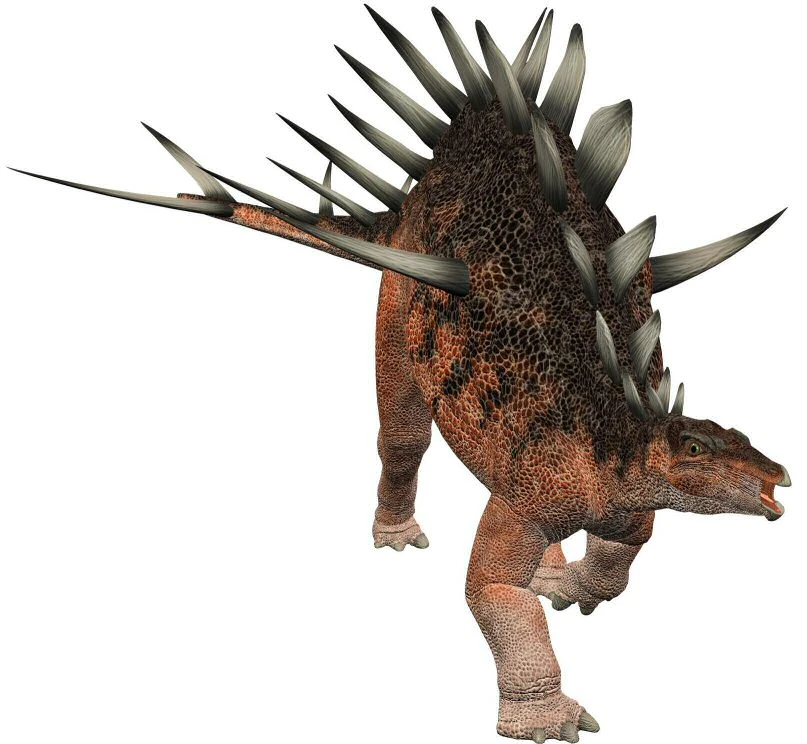 Info:
Info:
After Stegosaurus itself, Kentrosaurus is easily the best known of the stegosaurs. Many herbivores were known to have herded, and support for this
Forficula auricularia (Common earwig)Image: 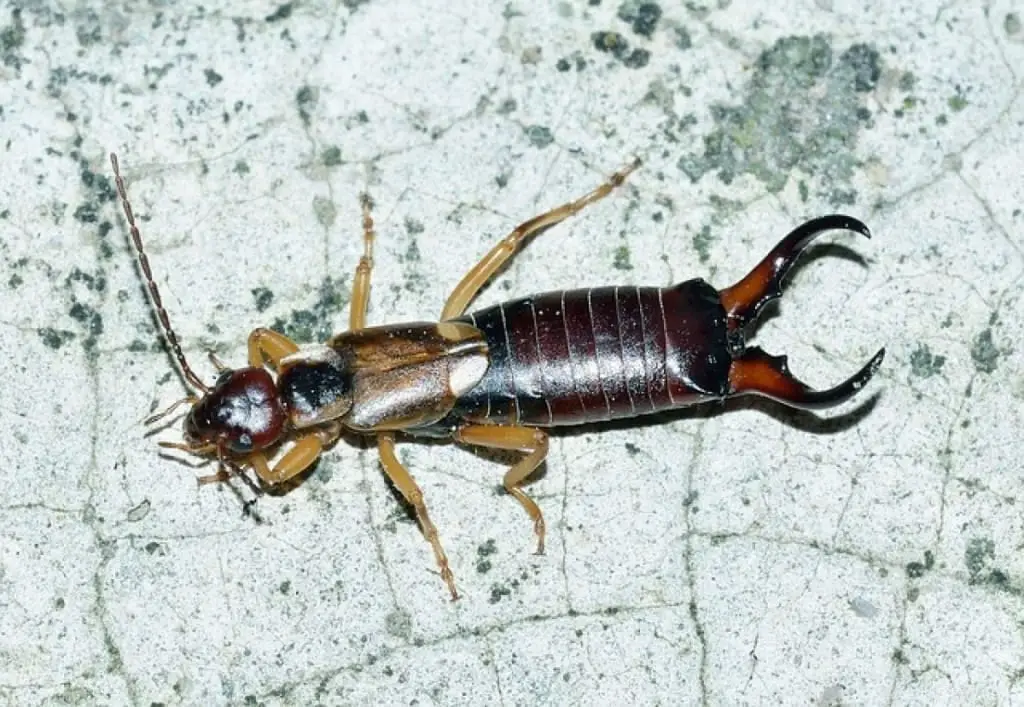 Size:
Size: 9-17 mm
Info: The European earwig is a common household insect in North America. The name earwig comes from the appearance of the hindwings, which resemble a human ear when unfolded. They are considered a household pest because of their tendency to invade crevices in homes and consume pantry food.
An obvious feature of earwigs is the pair of pincers at the end of their abdomen. In males they are large and curved, whereas in females they are straight. They are used for mating and self-defense.
Characteristics, Scientific Name, Classification, Taxonomy, Territorial Claims, and pictures of the European-Earwig (North America)
Damage type: Stab (jaws),
Stab (pinchers),
Tackle (legs, body)
Damage level: Raptor-class (jaws), low
Ceratosaur-class (pinchers), low
Ceratosaur-class (legs, body)
Armor durability level: Common-classImmune system durability level: Likely
Small-classSpeed level: Low
Ceratosaur-classSwimming ability level: Low
Common-classEyesight level: Possibly low
Ceratosaur-classIntelligence level: Likely
Beetle-classWhere to find: Under rocks and logs.
Care: Feed them rotting plants and fruit. Don't put any ground beetles in with them, unless you want them to be eaten.
 Home
Home Search
 Login
Login Register